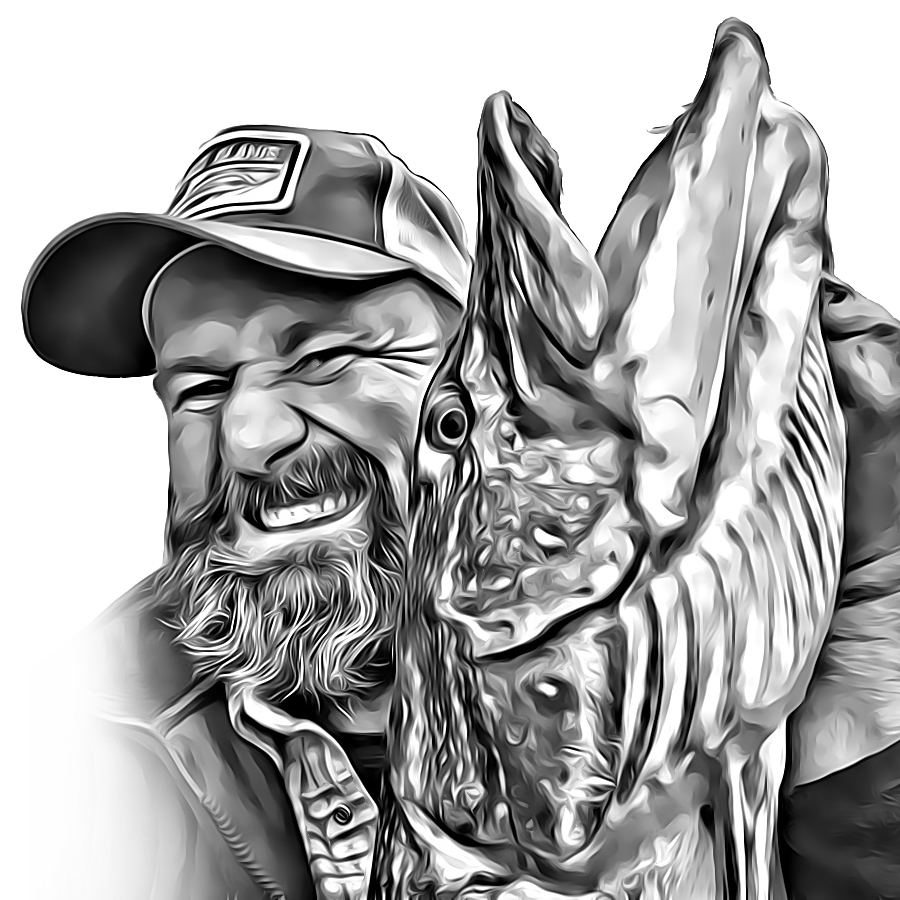
You can target zander, perch, and pike year-round in Amsterdam, but the most effective techniques change with the seasons. To help you make the most of your trip, I’ve put together this month-by-month fishing guide for Amsterdam—covering everything from chilly January mornings to late-summer evenings and crisp December days.
Yes, if you’re 14 years or older, and you want to go after predatory fish, you need a fishing license. This can either be the national license called the VISpas, or a day license.
If you’re joining a guided fishing trip in Amsterdam and don’t already have a VISpas, no worries — I can provide a day license for you on the day of the trip for €7.50 per person.
Children under 14 don’t need a license, as long as they are accompanied by an adult with a valid license (that would be me, of course).
If you book a trip outside of Amsterdam (such as my Pike & Perch adventure just outside the city), day licenses are not available. In that case, you’ll need to purchase a VISpas in advance. You can order your VISpas from the Amsterdam fishing club AHV here.This license allows you to fish in most lakes and rivers across the Netherlands for an entire year.
Read more about the VISpas, rules and regulations in this article.
Fishing in Amsterdam is an adventure full of surprises. From the urban canals to the wide open lake called IJ and adjacent waterways, the variety of fish species is as rich as the city’s history. Here’s an overview of what you might catch—with some impressive sizes to keep in mind.
Zander (Sander lucioperca)
Zander are the most iconic predatory fish in Amsterdam, and a favorite among visiting anglers. These ‘Dutch Walleye’ thrive in healthy, murky, dark waters of Amsterdam and can be targeted with a wide range of fishing techniques. The average zander measures around 45 cm (18 inches) and weighs about 1.5 kg (3 lb), fish over 60 and 70 cm are caught on a weekly basis. Trophy fish over 80 cm (31 inches) and 5 kg (10 lb) are absolutely possible.
Perch (Perca fluviatilis)
Perch can be a very welcome bycatch, or we can set up a special perch trip for you. These striped predators are aggressive, often feeding in schools around bridges, harbor walls, and canal structure. The average perch is around 25 cm (10 inches) and 250 grams (0.5 lb), but don’t be fooled—there are giants lurking below. Amsterdam and surrounding waters are home to true ‘Perchzilla’ specimens reaching 50 cm (20 inches) and 2 kg (4 lb), offering epic action on light tackle.
Pike (Esox lucius)
When fishing for zander and perch in Amsterdam, you can always stumble upon a Northern pike, the Apex predator of our waters. They are big, bold, and explosive: these toothy torpedoes are a thrilling fish to hook for sure. The average pike measures about 75 cm (30 inches) and weighs around 4 kg (8 lb), but the real legends are the monsters: over 120 cm (47 inches) and 12.5 kg (25 lb).
If you want to target Northern pike specifically, I highly recommend booking a 6 or 8-hour pike fishing trip on the big lakes around Amsterdam with me.
Asp (Aspius aspius)
Asp are fast, sleek, and powerful—a true freshwater gamefish. They’re most active in flowing water like the Amstel and IJ, especially at dawn and dusk during the summer months. While not as abundant as perch or zander, they are a favorite among experienced anglers looking for a new challenge. Expect average sizes around 60 cm (24 inches) and 4 kg (8 lb). Hook one on a jig spion, crankbait or surface lure, and hold on tight.
Flounder (Platichthys flesus)
A surprise for many, flounder can be caught in the mildly brackish water of Amsterdam. They’re bottom-feeders, often caught while targeting perch or zander, and a great bonus catch on lighter tackle. While they don’t grow huge, their presence highlights the unique mix of salt and freshwater species in this region.
Catfish (Silurus glanis)
Very rare, but truly unforgettable. Wels catfish are occasionally caught in deeper or more remote sections of the rivers around Amsterdam. While they are not a regular catch, these fish can grow enormous. Hooking into one is pure luck—and pure adrenaline. If it happens, you’re in for a wild ride.
Bream (Abramis brama)
During the closed season for predator fishing (April through May), bream become a popular alternative. These large, slow-moving bottom feeders respond well to corn, worms, and pellets. They can be caught in large numbers and are great fun on lighter gear. A relaxed way to enjoy the water when artificial lures are not allowed.
Carp (Cyprinus carpio)
Carp fishing in Amsterdam’s quieter canals and urban ponds is an experience all its own. These fish are smart, strong, and spooky, making them perfect for stealthy fishing with bread, corn, or boilies. Fish over 20 pounds (9 kg) are not uncommon. It’s a great challenge in the heart of the city.
Mullet (Chelon labrosus)
In summer, schools of mullet enter the warmer, brackish zones of Amsterdam’s waterways. They’re fast, unpredictable, and very selective—making them a favorite for those who enjoy technical fishing. Float fishing with bread can work if you approach them right. A real treat when the conditions are just right.
Each species brings its own story and strategy—and no two days on the water are ever the same. Whether you’re after your first zander or chasing a record-breaking pike, fishing in Amsterdam is always an unforgettable experience.
You don’t need to bring a thing.
My goal is to take all the hassle out of your fishing experience, so you can fully enjoy your holiday—and your fishing day in Amsterdam—without having to worry about what to pack.
In this article, I’ll walk you through everything that’s included in your guided fishing trip.
Departure for zander and perch fishing trips in Amsterdam
For the zander and perch trips in Amsterdam, we usually depart from the Borneokade in Amsterdam East. Once your trip is confirmed, I’ll send you the exact location.
If you’re coming by car, we can also depart from the trailer ramp on the Nieuwendammerdijk in Amsterdam North—there’s free parking available there.
If my schedule allows, I’m happy to check whether I can pick you up near your hotel or Airbnb, as long as it’s not too far from the fishing grounds. Just share the address with me after booking, and I’ll see what’s possible. This pick-up and drop-off service is free of charge.
Departure for pike fishing trips
When you book a pike fishing trip, we will fish the great lakes near Amsterdam. Therefore we’ll depart from the Marina in Naarden. If you don’t have your own transport, no worries — you’re welcome to ride along with me from the Borneokade in Amsterdam East.
While zander and walleye belong to the same genus (Sander) and look remarkably similar, they’re not interchangeable fish. They evolved on separate continents under different conditions, resulting in distinct behaviors that matter to anglers.
Size and Growth
Zander grow faster and larger than walleye but tend to live shorter lives. Trophy zander regularly exceed 10 kg (22 lbs), with fish over 15 kg (33 lbs) caught in prime European waters like the Volga delta and large Dutch river systems. The current IGFA world record stands at 25 kg (55 lbs). Walleye, by contrast, typically top out around 6–8 kg (13–18 lbs), with the world record at 11.3 kg (25 lbs). A 5 kg walleye is considered an exceptional fish in most North American waters, while a 5 kg zander is a solid but not uncommon catch in productive Amsterdam systems. Zander reach these larger sizes faster due to warmer water temperatures and longer growing seasons, but walleye tend to live longer—often 15–20 years compared to zander’s typical 10–12 year lifespan.
Habitat and Water Preferences
Zander evolved in Europe’s turbid, slow-moving rivers and eutrophic lakes where visibility is often less than a meter. They tolerate warmer water (up to 24°C) and even thrive in brackish coastal zones. Walleye developed in North America’s cold, clear glacial lakes with defined structure like rock reefs and weed edges. They prefer cooler temperatures (15–20°C) and struggle in warm, murky systems where zander excel.
Hunting Style and Behavior
Walleye are classic ambush predators—they hold tight to structure, waiting for prey to come within striking distance. Their feeding peaks sharply during dawn, dusk, and night, especially in clear water. Zander are more pursuit-oriented, actively cruising and hunting throughout the day in colored water. They’re less structure-dependent and more willing to suspend in open water following baitfish schools.
Tactical Implications
These differences change how you fish them. Walleye respond to heavier jigs (10–20g), aggressive vibration, and precise placement on known structure. Zander prefer moderate jig weights (7–14g), smooth gliding retrieves, and covering water rather than grinding one spot. In heavily pressured systems, both species become cautious, but zander naturally tolerate turbidity better while walleye demand finesse in clear conditions.
Understanding these ecological differences—not just recognizing the superficial similarities—is what separates consistently successful anglers from those who assume “close enough” is good enough.
Read an in-depth article about about ‘Zander vs Walleye’ here.
Are European and American Northern pike the same species? Yes, they’re the same species (Esox lucius). Northern pike are found across the Northern Hemisphere, including Europe, Asia, and North America. While there may be minor regional variations in appearance or behavior due to different environments, they’re genetically the same fish.
What’s the difference between Northern pike and muskie? Northern pike and muskellunge (muskie) are different species, though closely related. Pike have light-colored bodies with dark spots or bars, while muskies have dark bodies with light markings. Pike have scales on their entire cheek and upper half of the gill cover, whereas muskies have scales only on the upper half of the cheek and no scales on the lower gill cover. Muskies also tend to grow larger on average.
Which grows bigger: pike or muskie? Muskies typically grow larger. While Northern pike commonly reach 20-30 pounds with rare individuals exceeding 40 pounds, muskies regularly reach 30-40 pounds and can exceed 50 pounds. The world record muskie is over 60 pounds, compared to around 55 pounds for pike.
Can pike and muskie interbreed? Yes, they can hybridize to produce “tiger muskie” (so named for their distinctive tiger-like striping). These hybrids are usually sterile and are sometimes stocked intentionally by fisheries managers because they grow quickly and provide excellent sport fishing.
Do European and American pike fight differently when caught? Anglers generally report similar fighting characteristics regardless of continent, since they’re the same species. Any differences in behavior are more likely due to local conditions like water temperature, prey availability, and fishing pressure rather than geographic origin.
Where do their ranges overlap? In North America, Northern pike and muskie ranges overlap in the Great Lakes region, parts of the upper Midwest, and some Canadian waters. This is where natural hybridization occasionally occurs and where anglers might encounter both species in the same waters.
This FAQ covers the basics—for an in-depth look at identification, habitat, fishing strategies, and more, check out the full article here.